Cupping (giác hơi) and coin scraping (cạo gió) are folk remedies that many Vietnamese families grew up with. They also come with plenty of myths — from what the red-purple marks really mean to whether they're right for everyone. Here's what you should know before you try them.
What is cupping?
Cupping places cups — glass, bamboo or silicone — on the skin and creates suction inside them, so the skin and the muscle beneath are gently drawn up. The suction can be made with a flame (traditional cupping) or a hand pump. The cups usually stay in place for 5–15 minutes, or are glided over oiled skin (moving cupping).
In Eastern medicine, cupping is said to open the meridians, draw out “cold” and keep energy and blood moving. From a modern point of view, the suction stretches soft tissue, increases local blood flow and may help muscles relax.
What is gua sha (cạo gió)?
Cạo gió — similar to Chinese gua sha — uses a smooth-edged tool such as a coin, a porcelain spoon, a piece of horn or a stone, stroked in one direction over oiled skin, usually on the back, neck and shoulders. In Vietnam it's a go-to remedy for “catching wind”: feeling tired, chilled and achy.
What do the red-purple marks mean?
After cupping or scraping, the skin often shows round marks or red-purple streaks. Folk belief says the darker the marks, the more “bad wind” was in your body. In reality, they're tiny capillaries under the skin that break from the suction or scraping, letting a little blood escape into the surrounding tissue — much like a mild bruise.
The marks usually aren't very painful and fade on their own within a few days to about two weeks. How dark they look depends on the pressure, the time and your own skin — not on how “sick” you are.
Possible benefits
- Fewer muscle aches: many people feel their back and shoulders loosen after a session. Some studies suggest cupping may ease neck and back pain in the short term, though the quality of the evidence is still limited.
- Relaxation: the warmth and steady suction help the body let go.
- Feeling “lighter”: especially when you're tired or chilled after a change in the weather.
Cupping and gua sha are supportive therapies. They don't replace medical treatment when you're unwell.
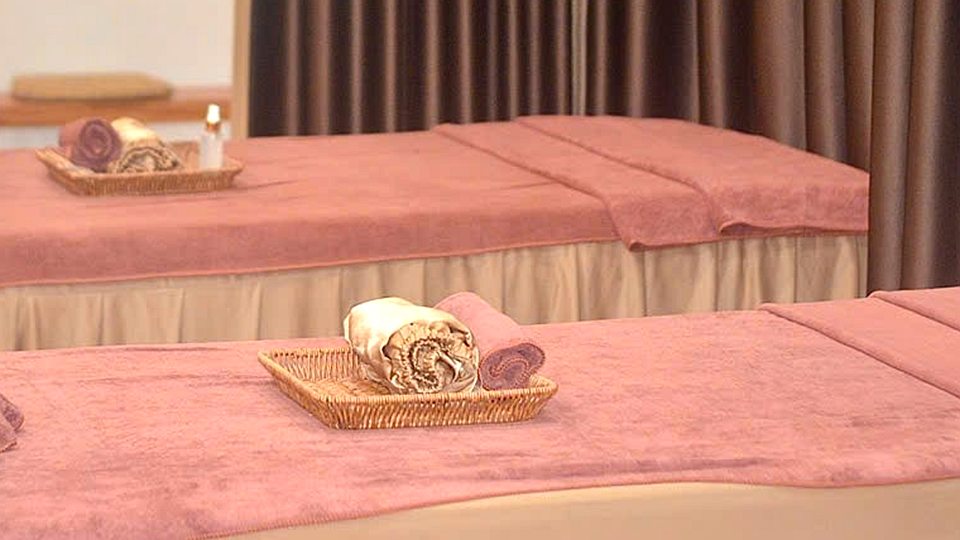
What happens during a session at a spa?
- A health check: your therapist asks about medical conditions, medication and where you feel sore.
- Warming up: a light massage of the back and shoulders with oil, so the muscles can relax.
- Cupping or scraping: the suction and pressure are adjusted to how it feels for you.
- Finishing: the oil is wiped away, you're kept warm and you rest for a few minutes.
Common myths
- “The longer the cups stay on, the better”: not true — leaving them too long can cause blisters.
- “The harder you scrape, the faster you heal”: scraping too hard can scratch and damage the skin without adding any benefit.
- “Cupping cures everything”: it's a supportive therapy for relaxation and muscle aches, not a cure for disease.
Who should avoid cupping and gua sha?
- People with bleeding disorders, or who take blood thinners.
- Anyone with broken, inflamed, burned or infected skin, or a skin condition in the area.
- People with a high fever, or who are exhausted, very hungry or have just eaten a big meal.
- Pregnant women (especially on the abdomen and lower back) — ask your doctor first.
- People with heart disease, severe weakness or recent surgery.
Aftercare
- Drink a glass of warm water and rest for a few minutes.
- Keep warm, and avoid cold wind or air conditioning blowing directly on you.
- Wait a few hours before showering, and use warm water.
- Don't cup the same area again until the marks have fully faded.
What about scraping at home?
Many Vietnamese families still scrape with a coin at home. If you do, use plenty of oil and a smooth edge, stroke lightly in one direction, and stop once the skin turns pink — there's no need to chase dark marks. Avoid the spine and bony areas, and don't scrape children, older relatives or anyone who is unwell without advice. Fire cupping is best left to trained hands.
Cupping and gua sha at Mộc An
At Mộc An, Cupping and gua sha costs 50K and can be paired with Neck and shoulder therapy or Back therapy (60 minutes, 269K) for deeper relaxation. Your therapist will ask about your health first — please mention any medication or medical conditions.
Book cupping & gua shaCall or message on Zalo: 0983 333 820
This article is for general information only and is not a substitute for medical advice, diagnosis or treatment. If you have a health concern, please talk to your doctor.